EHPEA inks Memorandum of Understanding (MoU) with F.D.R.E Technical and Vocational Training Institute (FTVTI) today at the headquarter of FTVTI.
The objective of the MoU is to contribute to the further development of the horticulture sub- sector at both regional and national levels through the implementation of collaborative activities.
The agreed areas include, among others, bridging the skill mismatch between the demand of the industry and the TVET programs, designing programs to ensure the competitiveness of the industry, updating curricula and training programs to match industry needs, including digital, climate-smart and green skills.
The FDRE Technical and Vocational Training Institute (FTVTI) (Previously known as Federal TVET Institute, and Ethiopian Technical University) is a national Institute striving for the advancement of the TVET sector, established in 2011 by the Council of Ministers Regulation No 245/2011 with a mission to Produce a competent, innovative, and resourceful TVET teachers and leaders through the provisions of quality short term and long-term training and maintain quality of instruction so that to realize the vision to be the world-class TVET teachers and leading training institute.
The MoU was signed by Dr. Biruk Kedir, Director General of FTVTI and Mr. Tewodros Zewdie, Executive Director of EHPEA.
CBI launches an ‘Export Guide for Avocado Via Sea Freight’ yesterday at Haile Grand Hotel in Addis Ababa to help Ethiopian based farms and businesses navigate global avocado trade and also to better benefit from avocado business by guiding best practices.
Anne-Marie Roorda, Progarm Manager of CBI, handed over the export guide to Mr. Tewodros Zewdie, Executive Director of EHPEA,
The second day of the Regional SPS Conference delivered crucial insights on the Emerging Phytosanitary Regulations of the European Union, underscoring the necessity of adaptation amid expanding global trade.
Spotlight Sessions: Challenges, Compliance, and Climate
The day was packed with high-impact presentations focused on strengthening phytosanitary systems:
• Sylvie Mamias, Secretary General of Union Fleur, analyzed the challenges and opportunities presented by the new EU regulations for phytosanitary stakeholders.
• Mr. Fikre Markos, Advisor at EAA, provided an overview of the Ethiopian Phytosanitary Services’ governance, emphasizing a systematic approach to managing fruit fly pests and meeting EU requirements.
• Dr. Chagema Kedera of COLEAD shared an approach for “Sustaining SPS Systems in Ethiopia,” based on the Risk Management Self-Assessment Tool (R-SAT).
• Dr. Tariku Hunduma highlighted the urgent impact of climate change on pest manifestation and the need to integrate climate considerations into phytosanitary strategies.
Panel Focus: Strengthening Systems for Global Trade
The day culminated in a dynamic panel discussion, “Safeguarding Global Trade: Strengthening Phytosanitary Systems in a Changing World,” expertly moderated by Tewedros Zewidie, Executive Director of EHPEA.
The distinguished panelists shared perspectives on enhancing phytosanitary integrity:
• Dr. Felix R. Doepmann, Resident Twinning Advisor (RTA)
• Orlando Sosa, Agricultural Officer (Crops), FAO Sub-Regional Office for Eastern Africa
• Fikre Markos, Phytosanitary Advisor to EAA
• Dr. Josiah Syanda, Deputy Director, Phytosanitary Services at KEPHIS and African Representative to the IPPC-E-Phyto Steering Group
The discussion stressed the collective responsibility of stakeholders to fortify measures and adapt to the evolving global trade landscape, which is critical for food security and environmental sustainability.
We look forward to translating these valuable insights into collaborative pathways to support the resilience of our phytosanitary systems against emerging global challenges.
The launch of the MAHRBER program brought a vibrant atmosphere to the Regional SPS Conference at the Sheraton Addis Hotel today! Supported by the EU and implemented by COLEAD, this initiative aims to enhance the Ethiopian horticulture sector’s role in promoting economic growth, food security, nutrition, and sustainable development.
By focusing on improving the competitiveness, resilience, inclusiveness, and sustainability of the nation’s horticultural value chains, MAHRBER is set to make a significant impact!
Program coordinator Mikiyas Bekele shared insightful perspectives on the project’s vision and prospects during his presentation.
EHPEA has been recognized by Ethiopian Agricultural Authority(EAA) for its valuable contribution in strengthening the Ethiopian horticulture industry, extending technical support for compliance as well as fostering collaborations.
This recognition highlights EHPEA’s unwavering commitment to advancing sustainability, phytosanitary compliance and capacity building through its impactful and targeted interventions
The very first Regional SPS Conference is happening today at the Sheraton Addis! This critical event marks a significant milestone: the official launch of the ePhyto system, a game-changer for streamlined regional and international trade.
The confrerence is organized by the Ethiopian Horticulture Producer Exporters Association (EHPEA) and Ethiopian Agricultural Authority (EAA), focused on strengthening Sanitary and Phytosanitary (SPS) measures.
The confrerence more than just a meeting; it’s a necessity for our nation’s economic health. Emerging SPS concerns in major global markets could jeopardize the export of our strategic commodities, including coffee, cut flowers, cuttings, and livestock. Our competitive edge hinges on having proactive, structured, and effective phytosanitary systems in place.
As we cannot boost agricultural exports without full compliance with global SPS requirements.The private sector must take the lead through maximum self-policing, and all stakeholders are urged to engage and support initiatives that reinforce our effective SPS systems.
This event is crucial for securing and expanding our country market access and ensuring the continued success of Ethiopian agriculture.
The realization of the Regional SPS Conference was significantly bolstered by the collaboration of several key partners who provided substantial support, including TradeMark Africa, BASF/Nunhems, the Embassy of the Kingdom of the Netherlands, CBI, East Chem, ATI, and Ethiopian Seed, all of whom joined forces to ensure the successful execution of this pivotal event.
The Ethiopian Horticulture Producer Exporters Association (EHPEA) proudly celebrated World Food Day under the empowering theme, “Hand in Hand for Better Foods and a Better Future.” The event took place today October 21, 2025 Skylight Hotel, organized in collaboration with the Ministry of Agriculture and the Food and Agriculture Organization (FAO).
World Food Day serves as a poignant reminder of our collective responsibility to ensure food security and promote sustainable agricultural practices across the globe. This year’s theme emphasizes the importance of collaboration in achieving a sustainable future, particularly in the realm of food production and consumption.
At the heart of the celebration, EHPEA showcased the exceptional talents of its member farms, presenting an impressive array of high-quality export produce that included an assortment of fruits, vegetables, herbs, and a vibrant selection of flowers. These offerings not only highlight Ethiopia’s rich agricultural diversity but also demonstrate the commitment of local producers to meet international quality standards.
EHPEA plays a pivotal role in the advancement of nutritional food sustainability by actively supporting farms in cultivating diverse crops that adhere to global standards. This commitment is crucial in promoting food security and nutrition for communities both locally and abroad. By fostering sustainable practices, EHPEA helps ensure that farmers can thrive while also contributing to the health and well-being of consumers.
This celebration was not just about recognizing the contributions of the agricultural sector but also about inspiring collaboration among stakeholders. By joining hands, we can enhance food systems, promote resilience, and create a future where access to nutritious food is a fundamental right for all.
As we reflect on the themes of World Food Day, let us embrace our shared responsibility to cultivate a sustainable future, ensuring that quality food is available for generations to come. Together, let us commit to working “Hand in Hand” for better foods and a better future.
Stay tuned for more updates from EHPEA and our ongoing efforts to support sustainable agriculture in Ethiopia!
A consultative meeting was held today at the EHPEA office to deliberate on the new packaging standards set for fruits, vegetables, herbs, and vegetable seeds exported by air. The discussion aimed at enhancing efficiency and consistency across the export process.
The session brought together representatives from Customs, the Ministry of Agriculture, and EHPEA member farms to review the draft standards and align them with practical applications at farm level to ensure a seamless export experience.
Key discussion points included:
• Standardization of box dimensions, pallet numbering, and weight specifications according to crop type.
• Review of the proposed draft with an extension period to refine and improve implementation.
On the discussion it was emphasized that packaging standardization will significantly enhance product quality and compliance with international regulations, streamline export logistics through uniform packaging and faster customs processing, and minimize post-harvest losses by reducing damage during handling and transport.
As part of its ongoing commitment, EHPEA continues to advocate for member engagement in policy and standard-setting processes. This initiative marks a significant step toward strengthening Ethiopia’s horticultural export competitiveness and bolstering its global reputation for quality and reliability.
In a significant stride toward bolstering one of the nation’s most vibrant and high-potential sectors, the Ethiopian Horticulture Producer Exporters Association (EHPEA), in close partnership with the Ministry of Agriculture (MoA), recently hosted a pivotal Consultative Meeting on the Horticulture Export Subsector. The gathering served as a critical platform to foster deep dialogue, enhance coordination, and forge joint strategies to amplify the global competitiveness of Ethiopia’s rapidly expanding horticulture industry, often referred to as its “green gold.”
Convergence of Key Stakeholders:
The event successfully convened a diverse and influential group of key stakeholders, including high-level government representatives, EHPEA member farms, esteemed development partners, and leading sector experts. Discussions were centered on major policy and operational issues directly impacting the export performance of high-value crops such as flowers, fruits, vegetables, herbs, cuttings and seed, a sector recognized as one of Ethiopia’s most dynamic and fastest-growing sources of foreign exchange.
Setting Aspiring Targets and Collaboration:
The session was opened by H.E. Addis Arega, Minister of the Ministry of Agriculture, who emphatically underscored the indispensable nature of public–private collaboration to sustain the industry’s impressive growth trajectory. He stressed the need to enhance market access and significantly improve the enabling business environment for exporters. He also highlighted the government’s vision, announcing that the ministry’s horticulture export target for the current fiscal year is $700 million USD. Achieving this milestone, he noted, necessitates a systematic, collaborative approach to tackle sectoral challenges one by one, working in lockstep with investors to enhance the overall business climate.
Addressing Bottlenecks and Unlocking Potential:
Mr. Tewodros Zewde, EHPEA Executive Director, presented a comprehensive overview of the sector’s challenges and opportunities. His agenda illuminated a range of critical action points that demand immediate and coordinated attention. Key discussion points included:
• Finance & Investment: Improving access to finance and addressing land lease issues for long-term investment.
• Operational Efficiency: Tackling hurdles related to electric power supply, input material acquisition, and the promotion of a duty-free privilege for seed companies.
• Structural Development: Advancing consolidation implementation and enhancing the out-grower scheme to integrate smallholders.
• Export Logistics & Customs: Streamlining procedures and addressing bottlenecks in the vital supply chain.
• International Compliance: Strengthening adherence to global phytosanitary and quality standards to ensure market access.
• Sustainability & Biosecurity: Promoting sustainable production and environmental management practices and coordinating national efforts to prevent and control destructive pests, notably the False Codling Moth (FCM).
Commitment to Evidence-Based Policy:
Throughout the meeting, participants offered practical insights and actionable recommendations, collectively emphasizing the vital necessity for continuous, transparent dialogue between the private sector and policymakers. This sustained engagement is seen as essential to guarantee evidence-based decision-making that truly reflects the realities and needs of the industry.
Closing the meeting, the Minister of Agriculture reaffirmed the Ministry’s staunch commitment to supporting the creation of an enabling policy and regulatory environment designed to boost Ethiopia’s overall export competitiveness. Likewise, Ato. Nega Mequanent, Chairman of the EHPEA, reiterated the association’s unwavering dedication to advocating for the horticulture industry’s development priorities by strategically aligning them with the national economic agenda.
Both institutions stand united in their shared objective: to reinforce Ethiopia’s position not only as a leading horticultural exporter on the global stage but also as a shining model for sustainable agribusiness in Africa.
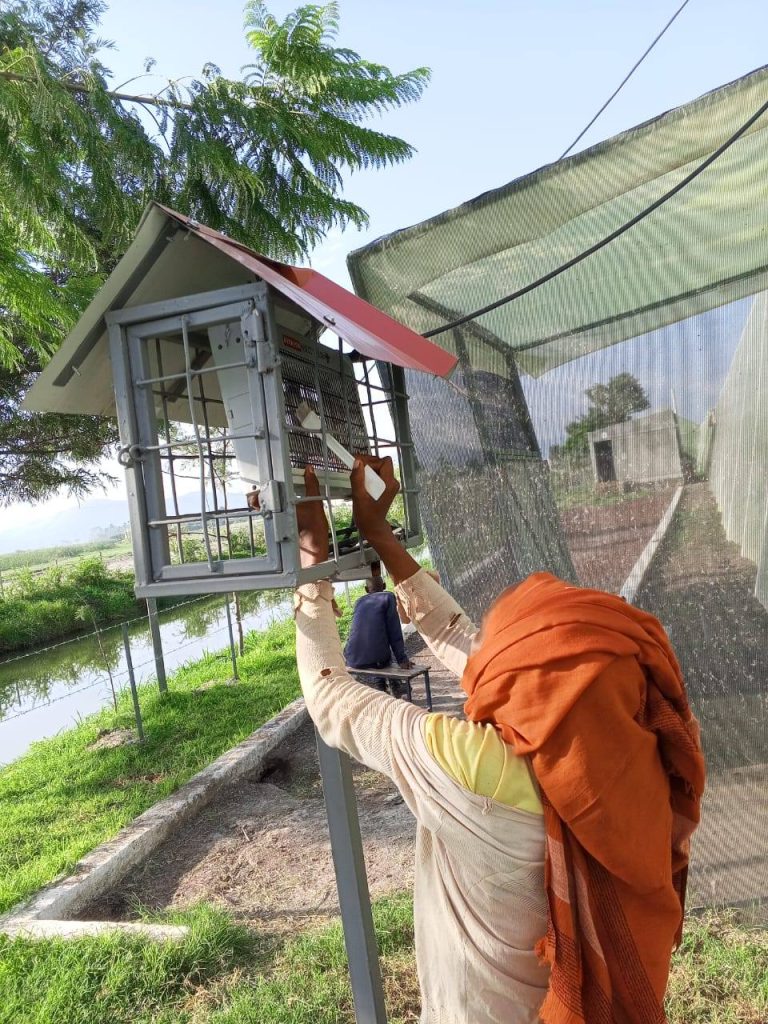
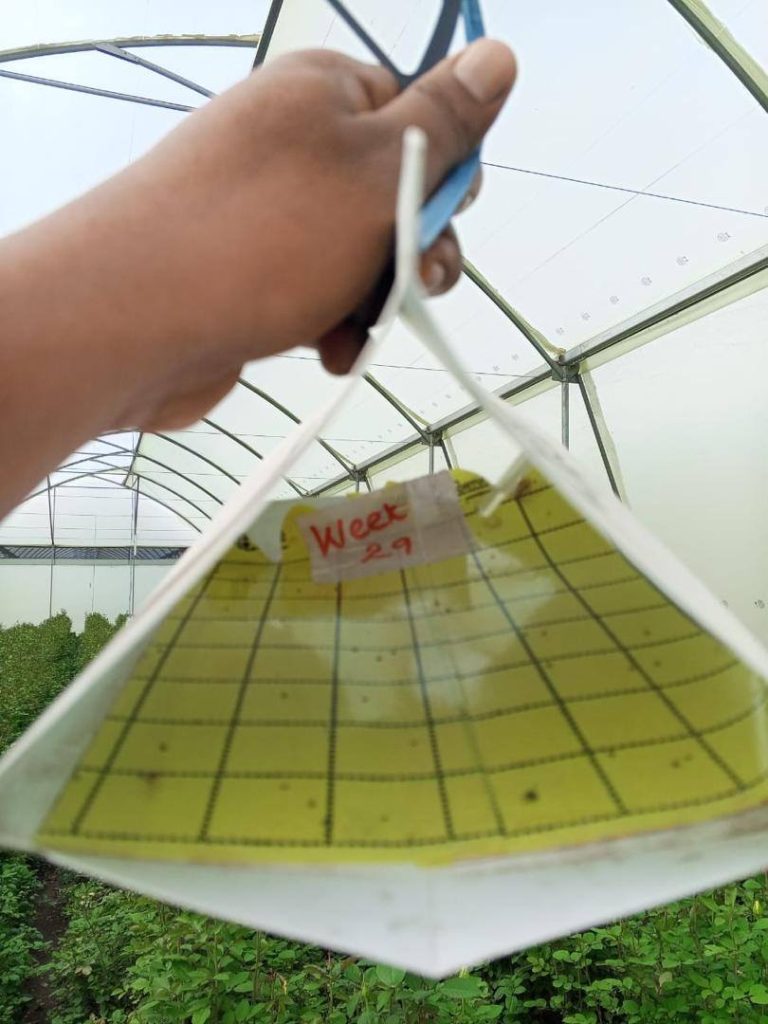
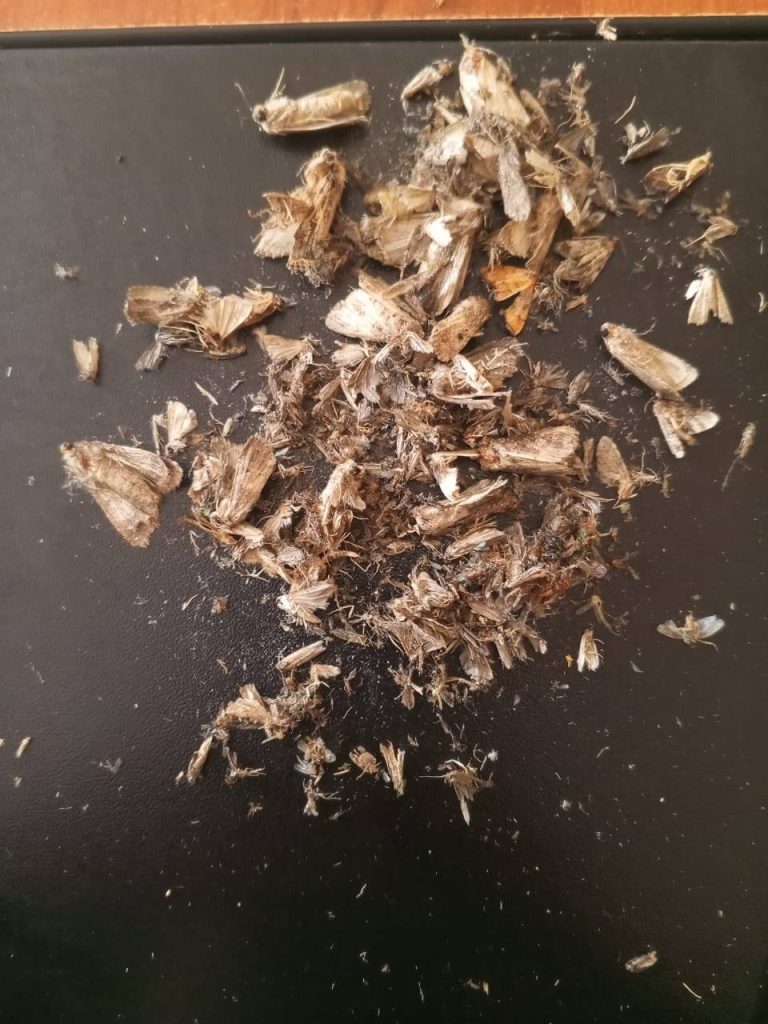
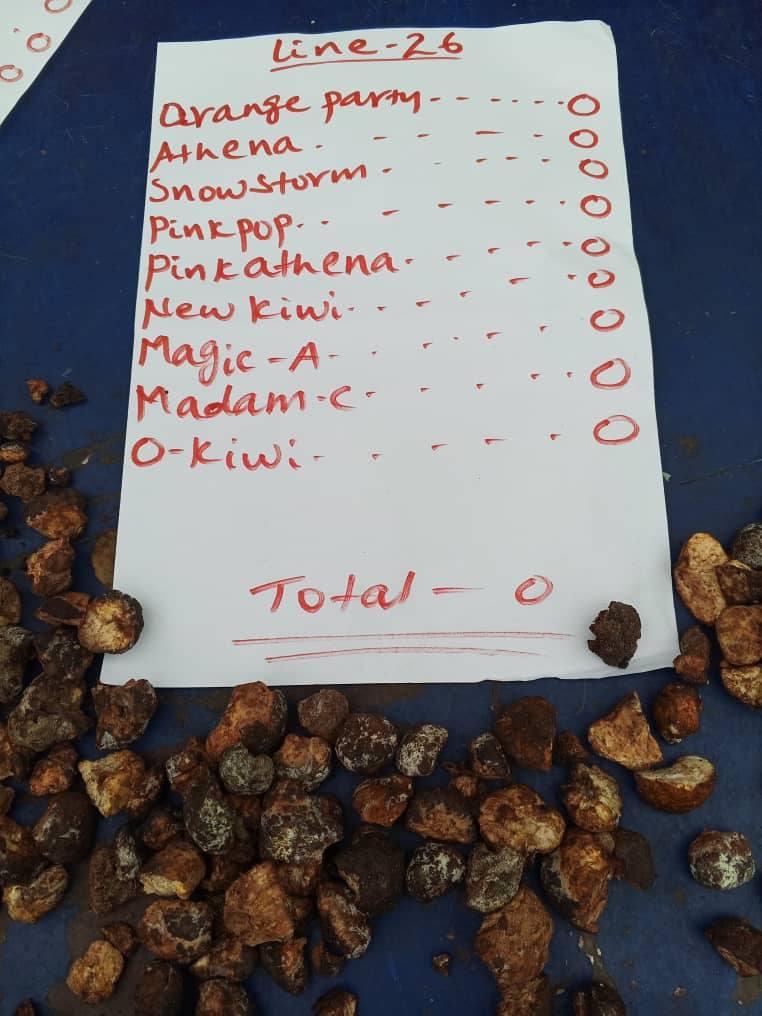
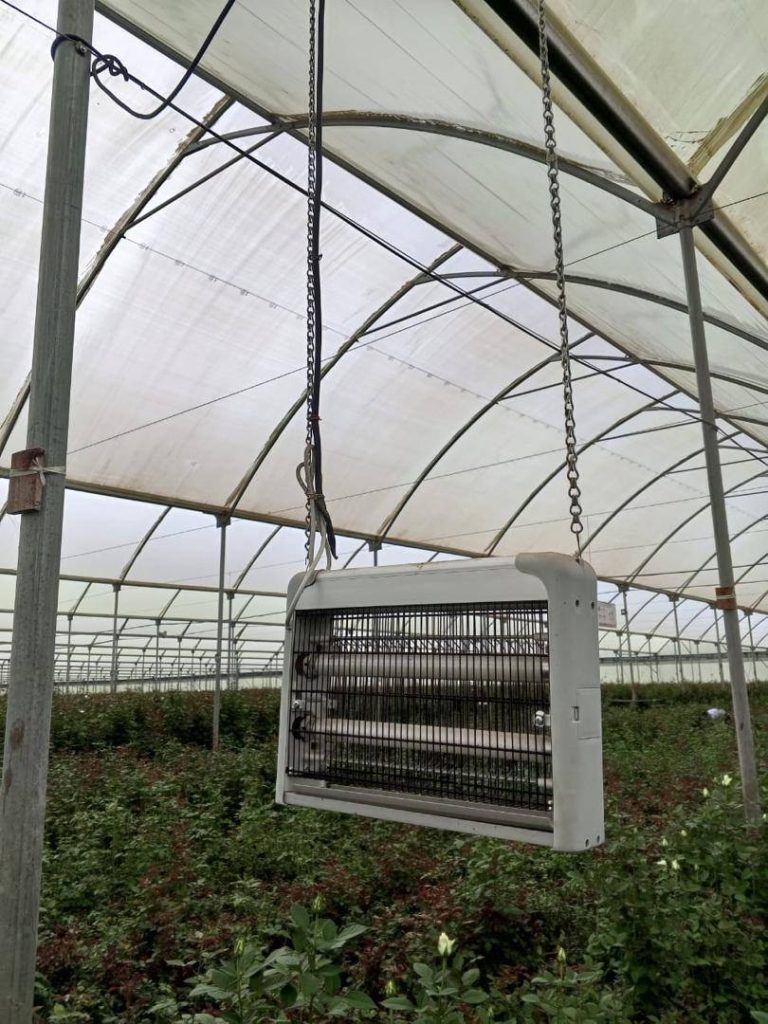
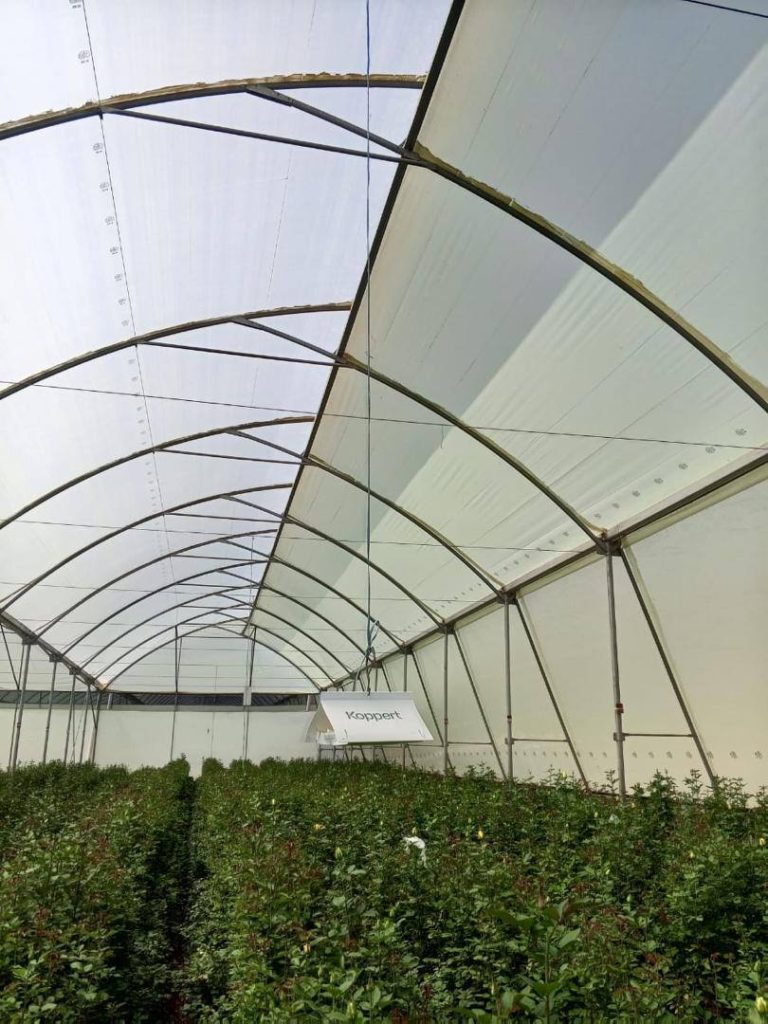
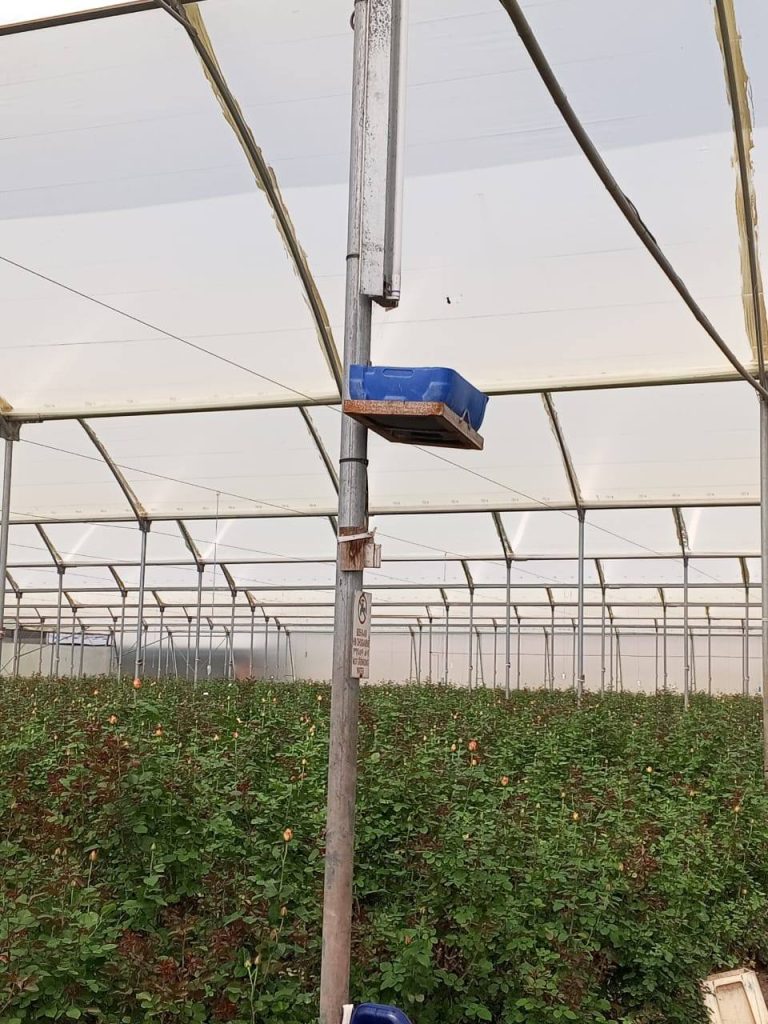
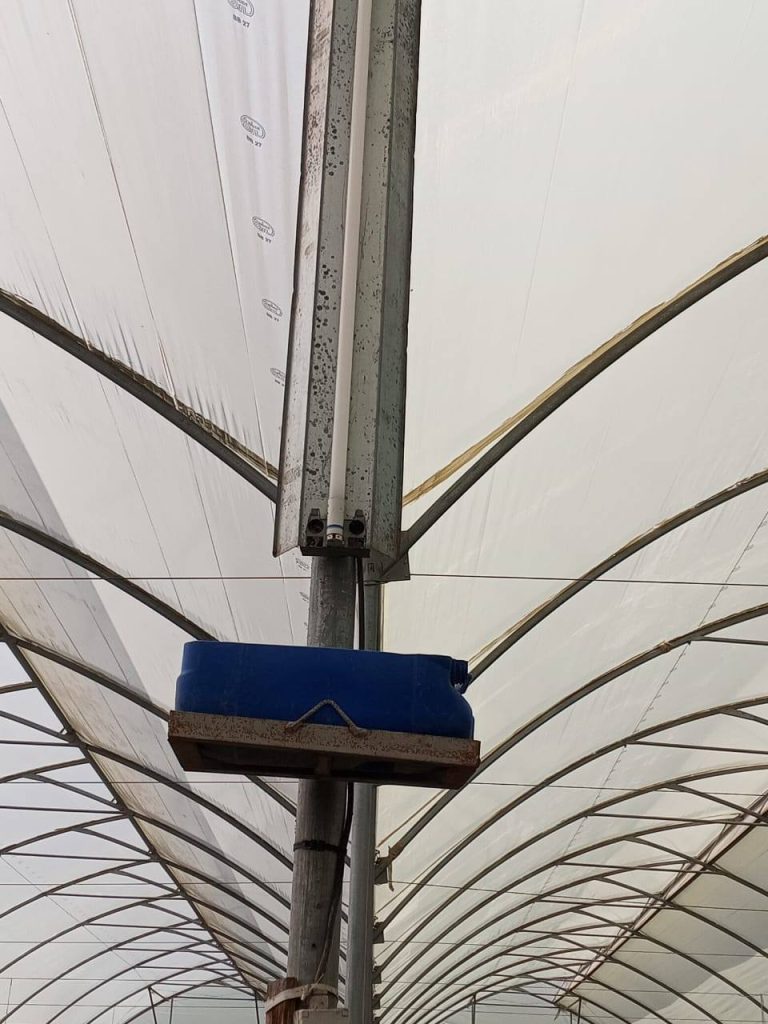
Herburg Roses PLC has set an inspiring example in the Ethiopian flower industry by proactively preventing and controlling False Codling Moth (FCM) one of the most dangerous quarantine pests threatening the sector. To date, the farm has never experienced a single interception, making it a role model for other rose farms across the country.
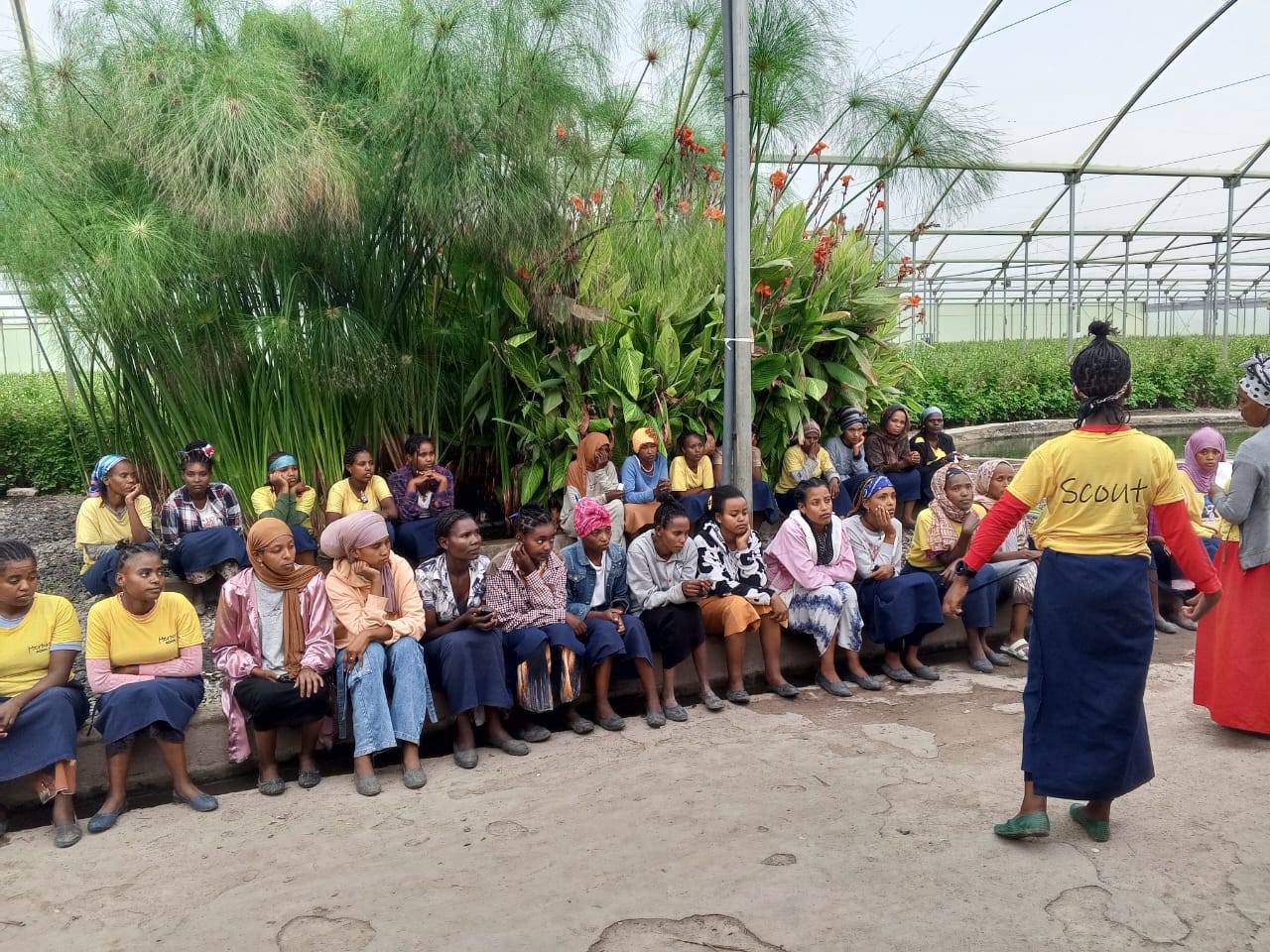
👨🌾 𝗣𝗿𝗼𝗮𝗰𝘁𝗶𝘃𝗲 𝗠𝗲𝗮𝘀𝘂𝗿𝗲𝘀 𝗦𝗶𝗻𝗰𝗲 𝟮𝟬𝟭𝟵 Recognizing the risks early, Herburg Rose established a dedicated FCM team merged with its existing scouting team. Since then, the farm has been consistently implementing an integrated strategy that combines biological, chemical, cultural, and physical control methods.
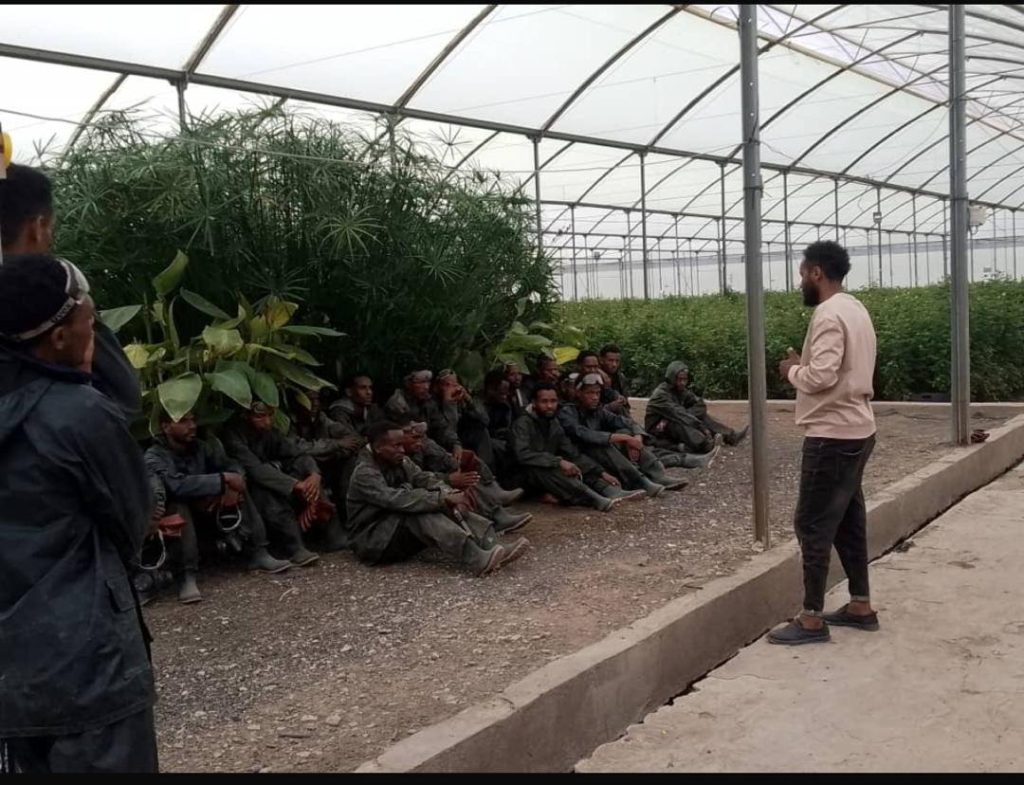
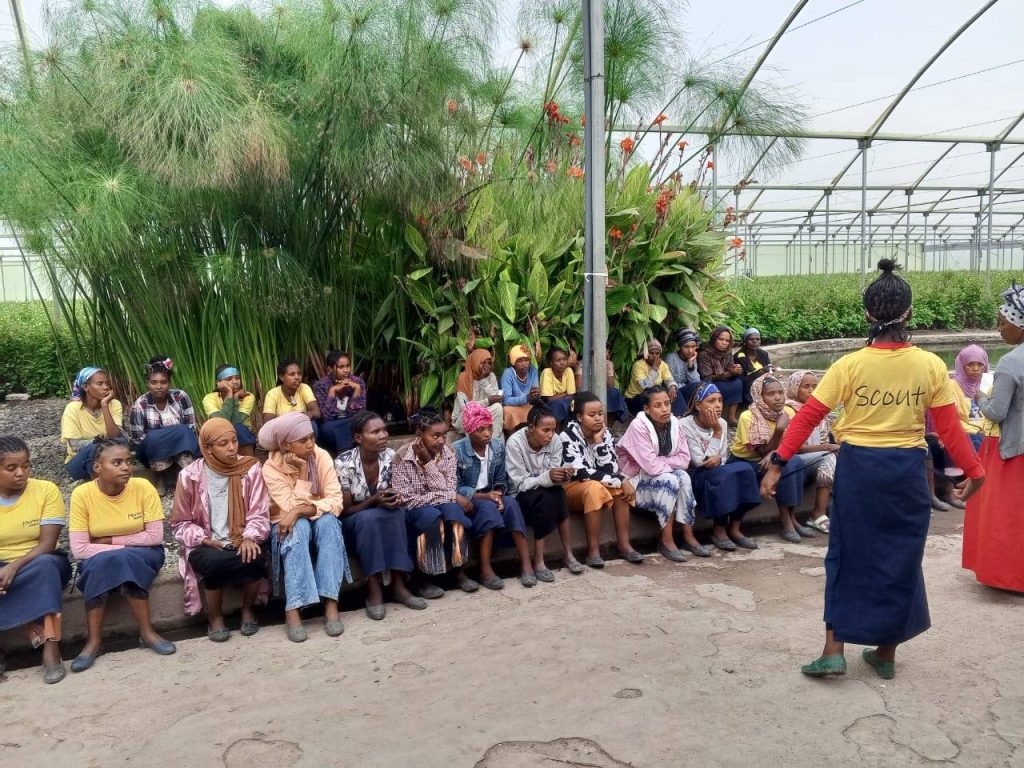
📚 𝗔𝘄𝗮𝗿𝗲𝗻𝗲𝘀𝘀 𝗮𝗻𝗱 𝗧𝗿𝗮𝗶𝗻𝗶𝗻𝗴 With the support of Ethiopian Horticulture Producer Exporters (EHPEA), a training was extended to all staff, from gate security to cold room workers, ensuring everyone understands the economic importance of FCM, its prevention, and the required control measures. This whole-team approach has been critical to the farm’s success.
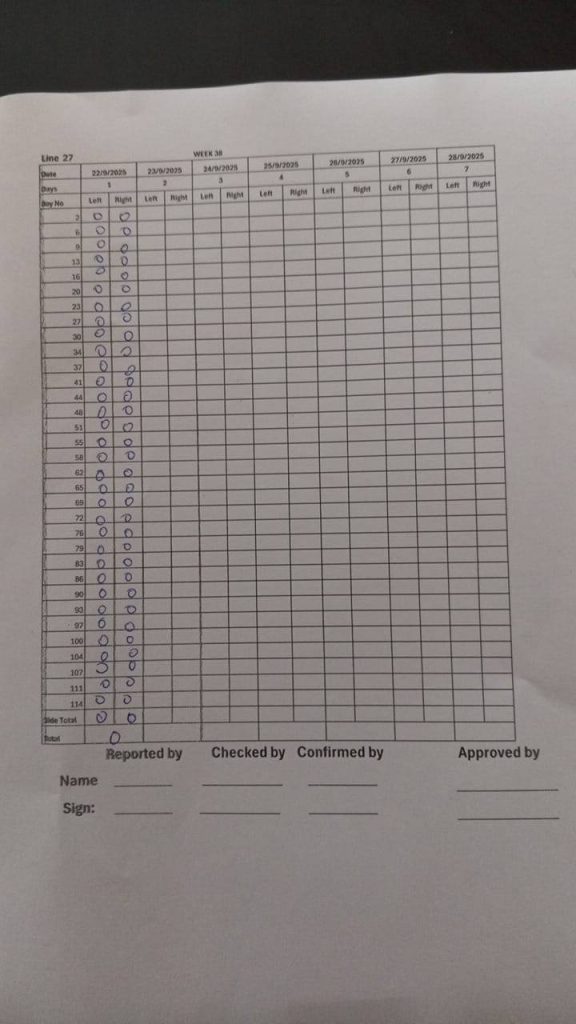
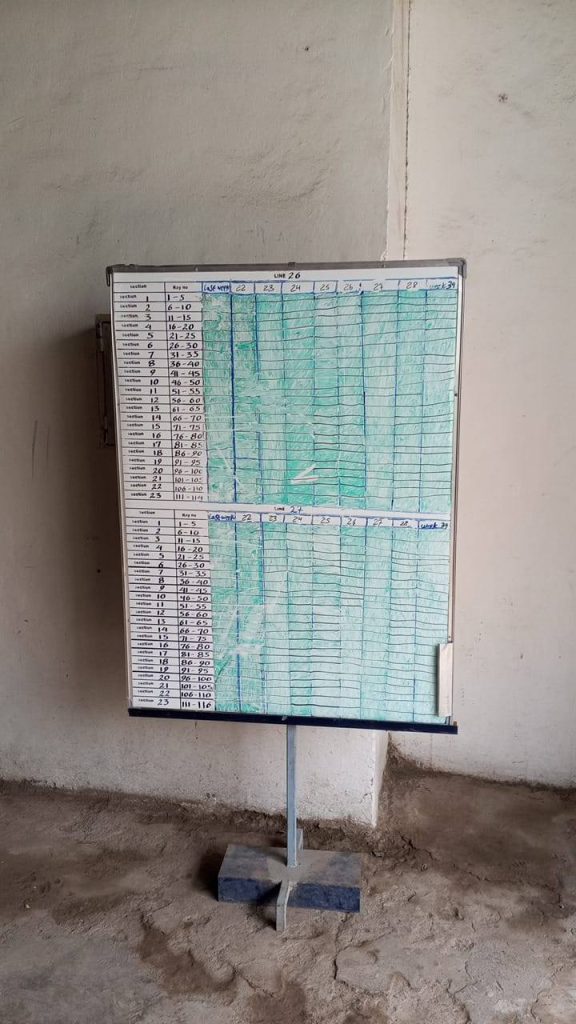
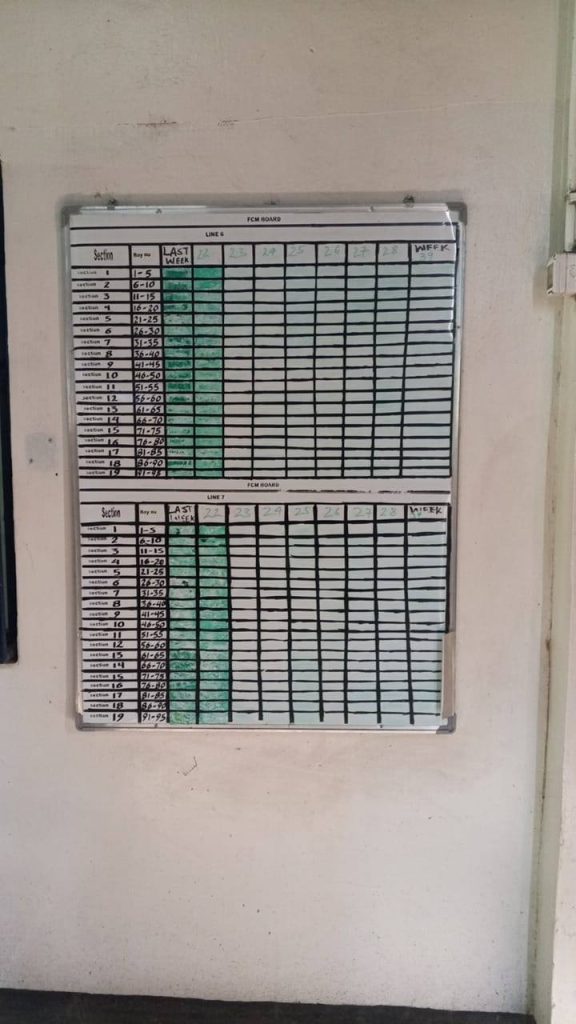
🔎 𝗖𝗿𝗶𝘁𝗶𝗰𝗮𝗹 𝗖𝗼𝗻𝘁𝗿𝗼𝗹 𝗣𝗼𝗶𝗻𝘁𝘀 (𝗖𝗖𝗣𝘀) The farm set up four CCPs and strengthened its system through: • Continuous documentation and traceability • Monthly internal audits by cross-departmental teams • Daily communication channels reporting from each production site • Central data analysis and farm-wide updates posted on notice boards to keep everyone alert and accountable.
📈 𝗧𝗵𝗲 𝗥𝗲𝘀𝘂𝗹𝘁 This integrated, system-based approach has not only kept Herburg Rose free from FCM interceptions but also created a strong internal culture of awareness, accountability, and quick action.
𝗔𝘀 𝘁𝗵𝗲 𝗙𝗮𝗿𝗺 𝗠𝗮𝗻𝗮𝗴𝗲𝗿 𝗕𝗶𝗻𝗶𝘆𝗮𝗺 𝗔𝗺𝗵𝗮 𝗲𝘅𝗽𝗹𝗮𝗶𝗻𝗲𝗱: “There is no single solution to FCM. Success comes from working holistically, with all preventive and control activities happening simultaneously and in an integrated way.”
🌿 𝗟𝗼𝗼𝗸𝗶𝗻𝗴 𝗔𝗵𝗲𝗮𝗱 While proud of this achievement, Herburg Rose acknowledges that vigilance must continue. The goal is not only to remain interception-free but to contribute to making Ethiopia a production-free area for FCM.
👏 Congratulations to Herburg Rose PLC for their dedication and exemplary leadership in safeguarding Ethiopia’s horticulture industry!
Contact Info
Location : Micky Leyland Avenue on the Road to Atlas Hotel, NB Business Center; 6th floor; Room #603 Phone : +251 11 6636750 P.O.Box: 22241 Code 1000 Email: info@ehpea.org